Neuronostics are the innovators behind BioEP - a digital tool that uses advanced mathematical modelling to speed up the diagnosis of epilepsy by performing detailed analysis of routine EEGs. Clinicians can upload a routine EEG to Neuronostics’ platform and receive an AI powered analysis within minutes providing additional data to support accurate diagnosis.
As a healthcare company, Neuronostics want to show their commitment to supporting the NHS’ 2045 Net Zero Supply Chain goal. As a tech company, they frequently come up against concerns about the environmental impacts of their cloud hosted AI solution. They came to Innovative Energy Consultants for help getting the data to demonstrate their commitment to net zero and respond honestly to concerns.
Estimating Emissions from First Principals
BioEP is a cloud hosted tool: emissions from cloud computing are notoriously difficult to obtain from suppliers. The leading cloud providers, including Amazon, Microsoft and Google, spend millions every year in purchasing carbon offsets. They are then able to make net zero cloud computing claims to their customers that don’t tell the full story. Neuronostics wanted the underlying emissions data to be able to communicate the full story to their stakeholders and identify opportunities to reduce their environmental impacts as they scale.
We went back to first principals: with the help of Neuronostics’ Chief Technology Officer we mapped out every process where BioEP consumed energy and the location of that energy consumption. We then used data from suppliers and peer reviewed journals to estimate the electrical energy consumed by each of the digital processes that make up BioEP.
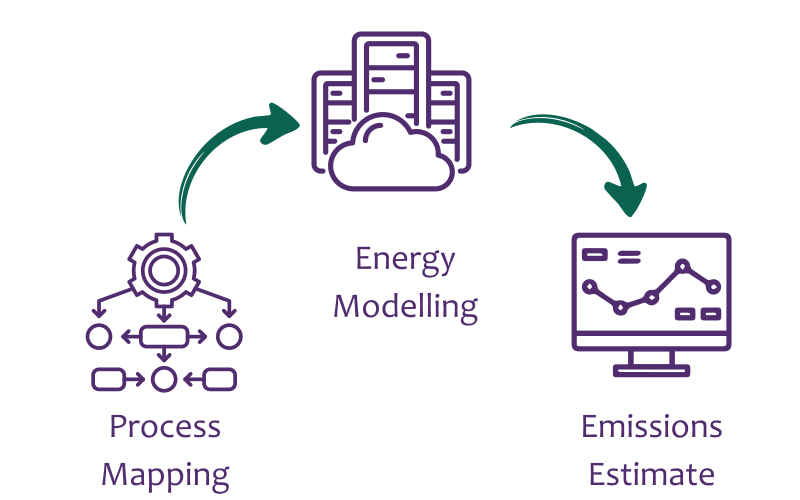
We then used the emissions intensity of the electricity grid each process was powered by to estimate emissions from each process. Combining these showed that each run of BioEP generates 1.18 grammes CO2e – roughly equivalent to watching an 18 second video on TikTok on a mobile device in the UK.
Emissions from BioEP are equivalent to 18 seconds of TikTok
Location, Location, Location
We identified the location of the data centres providing Neuronostics with cloud hosted solutions as the single biggest factor in BioEP’s digital carbon footprint. Today, BioEP is run out of data centres in the UK. Due to significant investment in renewable energy, the UK’s grid has a relatively low carbon intensity.
As Neuronostics expands into North America the location of cloud hosting services is the decision with the most impact on future emissions from BioEP. Certain states, such as Oregon, power data centres using renewable energy from hydro, solar and wind. Other states, such as Virginia and Ohio, are highly dependent on coal.
Purchasing cloud hosting services from data centres in states with low carbon electricity, such as Oregon, is the single most important choice the Neuronostics team can make to keep BioEP’s emissions down. Running BioEP on servers in Ohio would more than double emissions from BioEP, whereas using a server in Oregon would reduce emissions by a quarter.
In our next case study, we’ll be sharing how we put the digital emissions from BioEP into context by evaluating the net emissions impact of BioEP on the epilepsy diagnosis pathway. Sign up to our mailing list to make sure you don’t miss out.
Do You Need Help Managing Digital Emissions?
If your organisation needs to track or reduce emissions from digital products and services, we can help! To find out more, book a complimentary 15 min discovery call today.
Getting a handle on emissions from cloud based AI tools can feel daunting. Read on to find out how we used supplier and peer reviewed data to model emissions from BioEP - Neuronostics’ AI epilepsy diagnostic support tool.
Find out how switching to bio-LPG, a low carbon drop in replacement, helped one manufacturer cut their carbon footprint by 11% with no capital investment or operational changes.
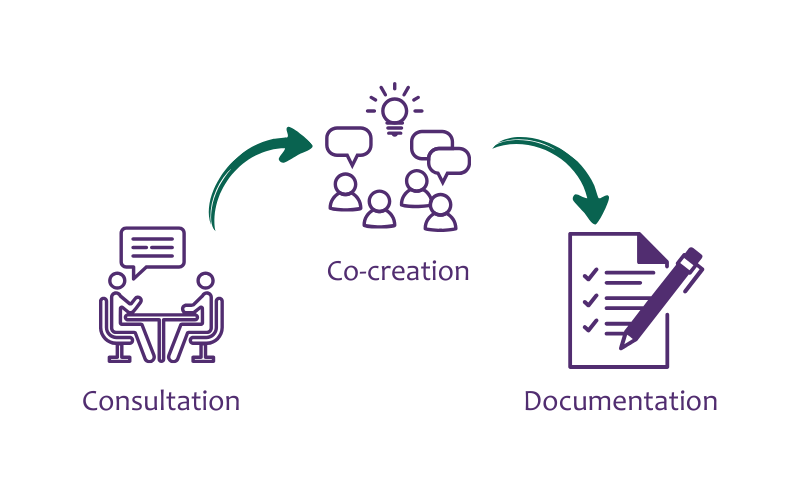
Find out how we used our three step process to help a large IT organisation create and activate a sustainability strategy that balanced providing cutting edge innovation with meeting their parent organisation's decarbonisation goals.

