One manufacturer was surprised when we calculated and analysed their carbon footprint that Liquefied Petroleum Gas (LPG) was responsible for over 20% of their carbon footprint. LPG was used in just one process and had never been considered as a significant emissions source.
We had good news for them: bioLPG is a drop in replacement for fossil LPG and produces just 0.14% of the emissions of fossil LPG on a per litre basis.*
BioLPG is a mixture of biopropane and biobutane. These molecules are chemically identical to conventional propane and butane and so have the chemical formulae C3H8 and C4H10 respectively. BioLPG typically contains fewer impurities than fossil derived LPG, meaning that it burns more cleanly and produces fewer emissions of sulphur and nitrous oxides. Emissions of sulphur and nitrous oxides have been linked to respiratory diseases as well as acid rain so there is a clear environmental benefit to their exclusion from fuels.
Biopropane and biobutane are produced as co-products of biodiesel by biofuels production facilities across Europe and the United States. The fuels are made from feedstocks like used cooking oil, waste products and biomass .
Today, most bioLPG is made by hydrotreating used cooking oil and fatty waste residues (e.g palm fatty distillate) which breaks down long chain complex hydrocarbons into simpler, shorter chain hydrocarbons. These can then be treated with hydrogen to produce a range of biofuels, including bioLPG and biodiesel.
Our client worked with their LPG supplier to switch to a 50% bioLPG 50% fossil LPG mix. By making one change to their procurement strategy, the manufacturer achieved an 11% reduction in annual carbon emissions with no capital investment and no need to provide training nor update procedures.
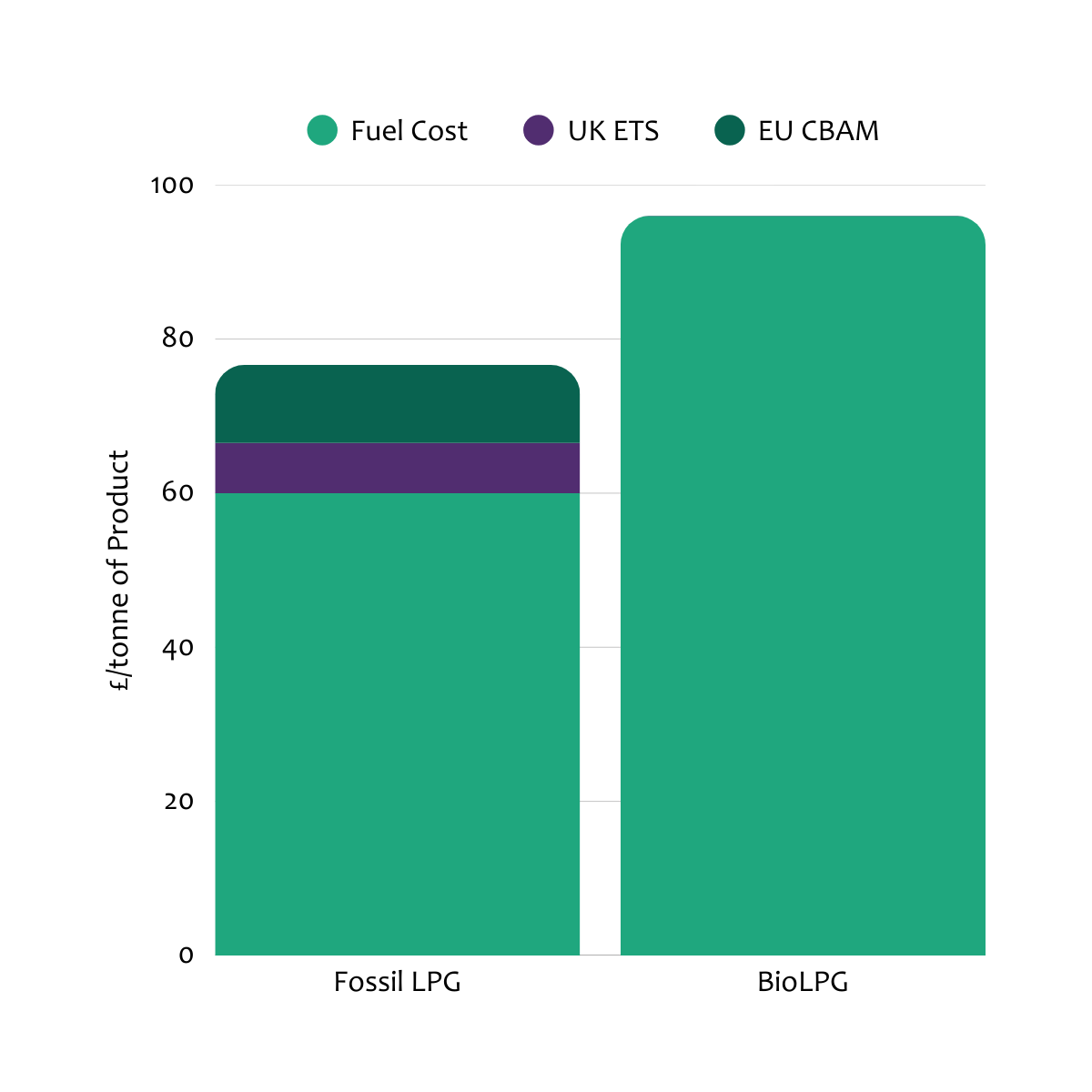
BioLPG is typically 60% - 70% more expensive than traditional LPG. As bioLPG and LPG are chemically identical, it is possible to procure a mixture of the two to balance operating costs with carbon reductions.
For manufacturers of products in scope for Emissions Trading Schemes (ETS) or Carbon Border Adjustment Mechanism (CBAM), the additional cost of bioLPG may be partially offset by the reduction in carbon certificate purchases. In these schemes, manufacturers must report the embodied carbon of their products. The embodied carbon is the direct and indirect energy used to create the product i.e. emissions from fuels burnt and electricity consumed in the manufacturing process - otherwise known as Scope 1 and 2 emissions.
Under the EU’s CBAM scheme, EU importers must buy a CBAM certificate for every tonne of embodied carbon they import. Manufacturers that reduce the carbon intensity of their products for export can charge a premium to reflect this saving. In scope UK manufacturers will also make a saving on UK ETS certificate purchases.
Our analysis using 2025 prices showed that one customer would have been able to offset 48.5% of the additional cost of bioLPG through savings on UK ETS and EU CBAM certificates. Most forecasts show the price of UK ETS and EU CBAM certificates rising and the cost differential between fossil and bioLPG falling over the next decade. Businesses should ensure this is captured in both their procurement and sustainability strategies.
If your business needs help evaluating fuel switching opportunities, contact us today to arrange a free consultation to find out how Innovative Energy Consultants can help.
*Calculated using the UK Government’s Department for Energy and Net Zero’s 2025 GHG Conversion Factors.
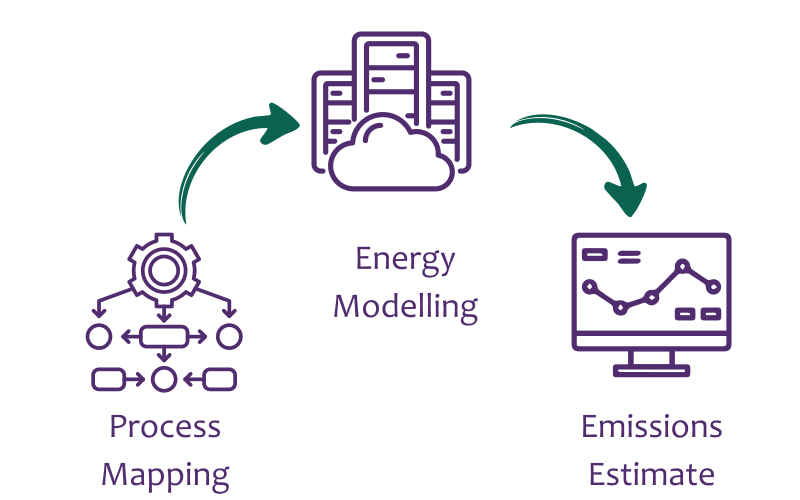
Getting a handle on emissions from cloud based AI tools can feel daunting. Read on to find out how we used supplier and peer reviewed data to model emissions from BioEP - Neuronostics’ AI epilepsy diagnostic support tool.
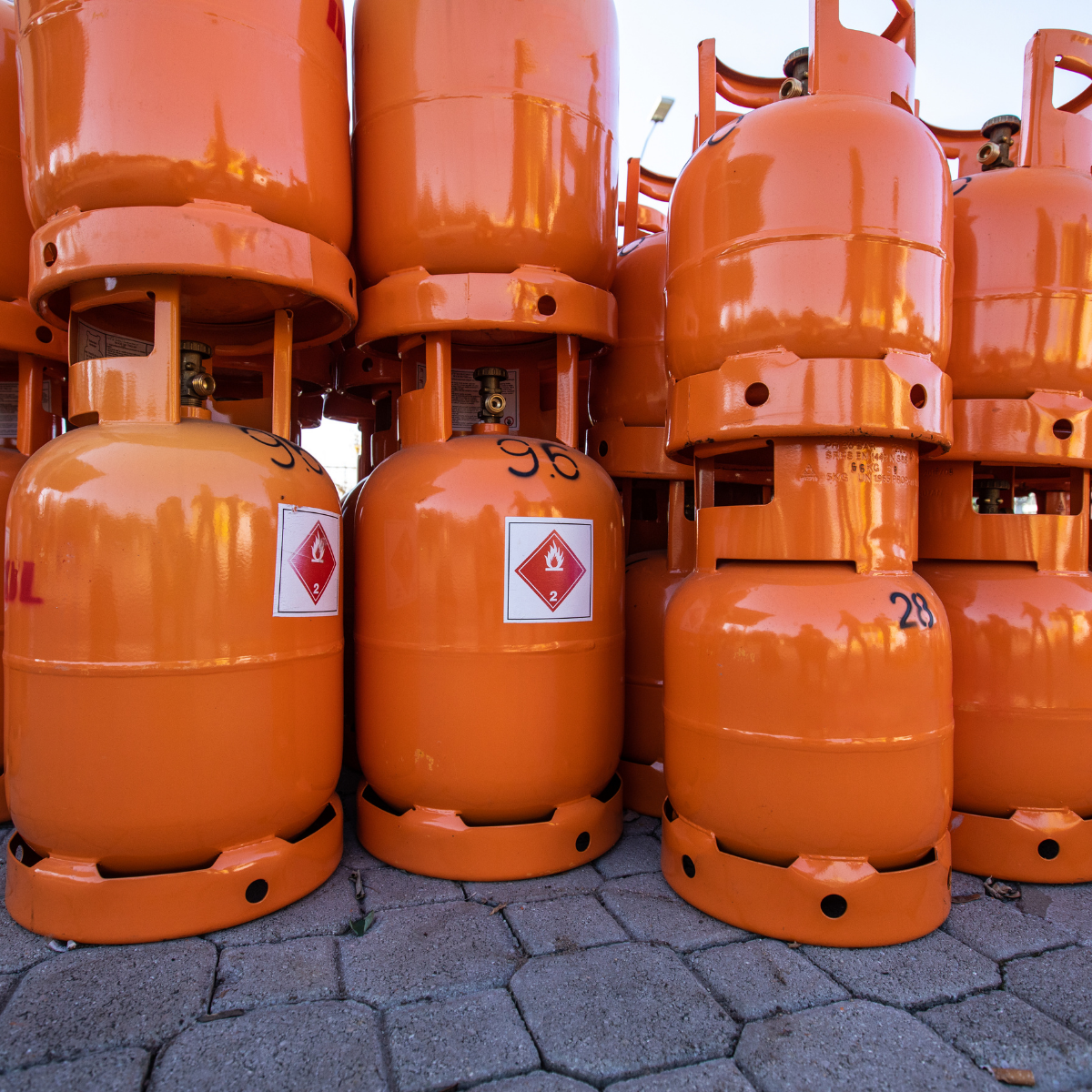
Find out how switching to bio-LPG, a low carbon drop in replacement, helped one manufacturer cut their carbon footprint by 11% with no capital investment or operational changes.
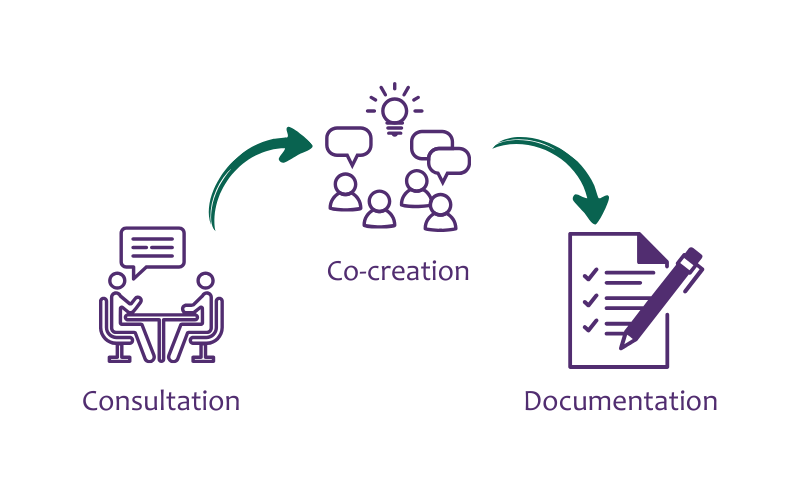
Find out how we used our three step process to help a large IT organisation create and activate a sustainability strategy that balanced providing cutting edge innovation with meeting their parent organisation's decarbonisation goals.

